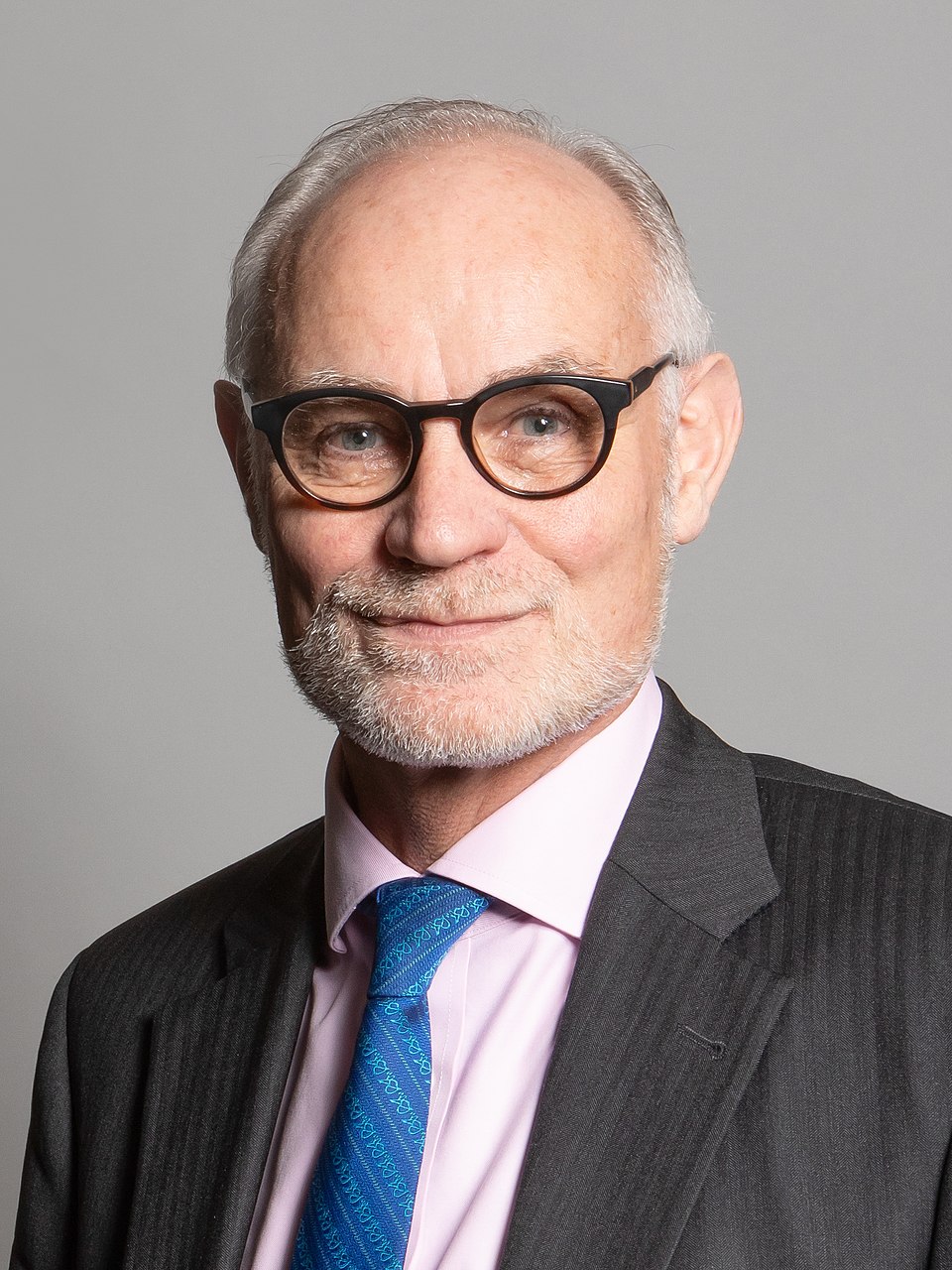
Crispin Blunt: A Comprehensive Look at Reigate's Long-Serving MP, Prisons Minister, and Foreign Affairs Chair
Crispin Jeremy Rupert Blunt stands as a prominent figure in British politics, renowned for his extensive service as the Member of Parliament for Reigate and his significant contributions across various governmental and parliamentary roles. From the challenging corridors of the Ministry of Justice as Minister of Prisons to the influential chair of the Foreign Affairs Select Committee, Blunt's career has been marked by dedication, and at times, controversy. This article aims to provide a comprehensive *Crispin Blunt Wiki*-style overview, exploring his journey from his early life to his impactful tenure in the House of Commons, offering insights into the diverse facets of his political persona.
Early Life and Entry into Parliament
Born on July 15, 1960, to Peter Blunt and Adrienne Richardson, Crispin Blunt's foundational years provided the backdrop for a career dedicated to public service. He shares a familial connection with his sibling, Oliver Blunt. While the path to Westminster is varied for many, Blunt's entry into the political arena was particularly notable. He first secured his seat as the Member of Parliament for Reigate in the 1997 general election, representing the Conservative Party. This victory marked a significant transition, as he succeeded Sir George Gardiner, the incumbent MP who had been deselected by the Constituency Conservative Association Executive Council and subsequently joined the Referendum Party. Blunt's successful candidacy in a constituency with a shifting political landscape demonstrated his ability to connect with voters and secure their trust early in his career. His consistent re-election across multiple parliamentary terms underscored a strong local mandate and enduring popularity within Reigate, a testament to his persistent commitment to his constituents.
A Distinguished Career in Government and Parliament
Crispin Blunt’s parliamentary career was characterized by an impressive tenure and a willingness to take on demanding responsibilities. His time in the House of Commons spanned numerous parliamentary sessions, reflecting a deep commitment to public service that lasted nearly three decades.
One of his most significant executive roles was serving as the
Minister of State for Prisons and Probation within the Ministry of Justice. From May 6, 2010, to September 4, 2012, Blunt held this crucial position, taking over from Jeremy Wright. This role placed him at the heart of the UK's justice system, responsible for overseeing the country's penal institutions and probation services. The portfolio of Minister of Prisons and Probation is inherently challenging, dealing with complex issues such as overcrowding, rehabilitation, reoffending rates, and staff welfare. It requires a delicate balance of implementing punitive measures and fostering an environment conducive to reform and reintegration into society. Blunt's tenure would have involved navigating policy decisions, managing budgets, and responding to the intense scrutiny that invariably accompanies this critical sector. His time as a minister provided him with invaluable insights into the intricacies of the justice system and the societal impact of its operations.
Beyond his ministerial duties, Blunt also made a significant impact in parliamentary oversight. From 2015 to 2017, he served as the
Chair of the Foreign Affairs Select Committee. This highly influential committee is responsible for scrutinizing the expenditure, administration, and policy of the Foreign, Commonwealth & Development Office (FCDO). As chair, Blunt played a pivotal role in shaping parliamentary debate on critical international issues, conducting inquiries into foreign policy decisions, and holding the government accountable for its actions on the global stage. The committee's work often involves interviewing high-ranking officials, ambassadors, and experts, and its reports carry considerable weight in influencing public opinion and government strategy. Chairing such a committee requires deep knowledge of international relations, diplomatic acumen, and the ability to forge consensus among committee members from different political backgrounds.
Blunt's extensive parliamentary service saw him represent Reigate across seven parliaments:
- 52nd Parliament: 1 May 1997 – 14 May 2001
- 53rd Parliament: 7 June 2001 – 11 April 2005
- 54th Parliament: 5 May 2005 – 12 April 2010
- 55th Parliament: 6 May 2010 – 30 March 2015
- 56th Parliament: 7 May 2015 – 3 May 2017
- 57th Parliament: 8 June 2017 – 6 November 2019
- 58th Parliament: 12 December 2019 – 26 October 2023
This remarkable consistency highlights his enduring presence in national politics, a track record that few achieve. To learn more about his almost three-decade representation of Reigate and the circumstances surrounding the culmination of his parliamentary journey, explore
Crispin Blunt's Long Tenure as Reigate MP and Recent Party Suspension.
Navigating Political Challenges and Advocacy
Crispin Blunt's political career, like many long-serving politicians, was not without its moments of intense scrutiny and personal challenge. One such instance that garnered significant media attention occurred in 2013 when he faced a deselection attempt by the Constituency Executive Council of his own party. Speculation was rife that this move was connected to his public announcement that he was gay, making it a potentially watershed moment concerning LGBT representation within the Conservative Party. However, in a demonstration of local democratic power and a testament to his grassroots support, the decision was subsequently overturned by a decisive 5–1 margin in a ballot of Reigate party members. This reselection reaffirmed his position as the Conservative candidate and showcased the loyalty he had cultivated among his local constituents despite any internal party dissent. This episode underscored the evolving landscape of political acceptance and the importance of members' voices in party affairs.
Beyond the headlines and high-profile ministerial roles, Blunt also showed an interest in specific policy areas that might not typically capture mainstream attention. One such area was his advocacy for
Open Source Software. He notably signed Early Day Motion 179, a parliamentary mechanism used to draw attention to particular issues. This motion championed the use of free and open source software by institutions like the Open University, schools, colleges, and universities. The motion lauded these institutions for utilizing such software to deliver cost-effective educational benefits, not just for themselves but for the wider community.
Blunt and the motion expressed concern that outdated purchasing frameworks employed by bodies like Becta and the Department for Education and Skills were effectively denying schools the opportunity to benefit from open source software. Furthermore, it highlighted how these frameworks might be preventing small and medium ICT companies from contributing their value and experience to the schools market. This advocacy demonstrated a practical and forward-thinking approach to policy, recognizing the financial and innovative advantages that open source solutions could offer in public education. It highlighted his capacity to engage with and champion niche, yet impactful, technological and economic issues. For more details on this significant deselection scare and his unique advocacy, delve into
Crispin Blunt: Deselection Scare, Open Source Advocate, and MP Tenure.
Legacy and Conclusion
Crispin Blunt's almost three-decade long career in the House of Commons concluded in late 2023, following his suspension from the Conservative Party. This marked the end of an era for the Reigate constituency and for Blunt himself, bringing a complex and often impactful political journey to a close. His time in Parliament was distinguished by significant contributions across both government and opposition benches. As Minister of State for Prisons and Probation, he tackled some of the most challenging aspects of domestic policy, while his chairmanship of the Foreign Affairs Select Committee positioned him at the forefront of international discourse and parliamentary oversight.
Beyond these prominent roles, Blunt consistently championed his constituents' interests and demonstrated a willingness to engage with diverse issues, from the intricacies of justice reform to the advocacy of open-source software in education. His ability to navigate political storms, such as the 2013 deselection attempt, further illustrates a resilient and determined character dedicated to his role.
Ultimately, Crispin Blunt leaves behind a legacy defined by long-standing service, a commitment to scrutinizing government policy, and a vocal presence in both domestic and international affairs. His journey provides a fascinating case study in modern British politics, underscoring the multifaceted responsibilities and enduring challenges faced by those who dedicate their lives to public service. For anyone seeking a deeper understanding of this influential political figure, a comprehensive *Crispin Blunt Wiki* remains an invaluable resource.